WHAT IS MBTI
01什么是 MBTI
MBTI 的全名是 Myers-Briggs Type Indicator,根据心理学家 Carl Jung 在 1920 年代提出的类型理论发展而来。Jung 观察到,人在接收信息与做决定时,会惯性地偏好某些心理路径。后来 Katharine Cook Briggs 与女儿 Isabel Briggs Myers 把这套观察整理成四个维度,再两两组合成 16 种人格类型,也就是今天大家熟悉的四个英文字母。MBTI stands for the Myers-Briggs Type Indicator, developed from the type theory proposed by psychologist Carl Jung in the 1920s. Jung observed that people habitually prefer certain mental paths when taking in information and making decisions. Katharine Cook Briggs and her daughter Isabel Briggs Myers later shaped this into four dichotomies, combined into the 16 personality types, the four letters everyone knows today.
MBTI 描述的是你惯用的心理偏好,像是写字惯用右手或左手。它呈现你比较自然、比较省力的那条路径,帮你看懂自己为什么在某些情境特别自在、在某些情境特别费力。它是理解自己的一个起点,也适合搭配认知功能、生活经验与其他觉察工具一起阅读,让画面更立体。MBTI describes your habitual psychological preferences, like writing with your right or left hand. It shows the path that feels more natural and effortless, helping you see why some situations feel easy and others draining. It's a starting point for understanding yourself, best read alongside cognitive functions, life experience and other awareness tools.
在馥灵之钥,我们把 MBTI 当成认识自己的第一块拼图。它告诉你“我大概是怎么运作的”,接下来的命理坐标、馥灵秘码与觉察牌卡,则帮你把这块拼图放进更完整的人生地图里。At Hour Light, we treat MBTI as the first piece of the puzzle. It tells you roughly how you run; the destiny coordinates, Hour Light Code and awareness cards that follow help you place that piece into a fuller map of your life.
THE FOUR DICHOTOMIES
02四大维度
每个 MBTI 类型由四个维度各取一端组成。四个维度描述的是四件事:你的能量从哪里来、你怎么接收信息、你怎么做决定、你怎么安排生活。Each MBTI type is built from one end of each of four dichotomies. They describe four things: where your energy comes from, how you take in information, how you make decisions, and how you organise life.
E / I
能量来源Energy source
外倾(E)从与人事物的互动中充电;内倾(I)回到自己的内在世界恢复能量。Extraversion (E) recharges through interaction; Introversion (I) restores energy in an inner world.
S / N
接收信息Taking in information
实感(S)先看眼前具体的事实与细节;直觉(N)先看背后的模式、联想与可能性。Sensing (S) sees concrete facts and details first; Intuition (N) sees patterns, associations and possibilities first.
T / F
做决定Making decisions
思考(T)以逻辑与一致性为主;情感(F)以价值与对人的影响为主。Thinking (T) leads with logic and consistency; Feeling (F) leads with values and impact on people.
J / P
生活方式Lifestyle
判断(J)喜欢先定好计划与秩序;感知(P)喜欢保持弹性与开放的选项。Judging (J) likes settled plans and order; Perceiving (P) likes flexibility and open options.
四个维度两两搭配,得到 2×2×2×2=16 种组合,这就是 16 型人格的由来。要注意的是,每个维度都是偏好程度而非绝对,没有人是百分之百的某一端。The four dichotomies pair up into 2×2×2×2 = 16 combinations, the origin of the 16 types. Note that each dimension is a degree of preference, not an absolute; no one is 100% at one end.
COGNITIVE FUNCTIONS
03八大认知功能
如果四个字母是入门,那么认知功能就是进阶。Jung 理论真正的核心是八个认知功能,描述心智实际处理信息的方式。它解释了一件事:为什么同样是四个字母的人,想法还是会有差异。每个类型都有一组固定排序的“功能堆叠”,依使用熟练度分成主导、辅助、第三、劣势四层。If the four letters are the entry point, cognitive functions are the next level. The real core of Jung's theory is eight functions describing how the mind actually processes information, explaining why people with the same four letters can still think differently. Each type has a fixed-order "function stack", layered by fluency into dominant, auxiliary, tertiary and inferior.
Ni 内倾直觉
收敛出方向Converges direction
把零散的线索收敛成一个清晰的方向感与长线洞察。Converges scattered clues into a clear sense of direction and long-range insight.
Ne 外倾直觉
发散出可能Branches into possibility
从一个点发散出无数联想与可能性,喜欢探索“还能怎样”。Branches from one point into endless associations and possibilities; loves exploring "what else".
Si 内倾实感
经验定锚Anchored in experience
用过去的经验、细节与熟悉的节奏,把现在稳稳定住。Uses past experience, detail and familiar rhythm to steady the present.
Se 外倾实感
活在当下Lives in the moment
对当下的真实环境与感官信息高度敏锐,反应快、临场强。Highly alert to the present environment and sensory input; quick and grounded in the moment.
Ti 内倾思考
内在逻辑Inner logic
在心里建一套自洽的逻辑系统,追问原理与一致性。Builds a self-consistent logical system inside, probing principles and consistency.
Te 外倾思考
外部效率Outer efficiency
把外部世界整理成有效率的秩序,重视结果与可执行性。Orders the outer world for efficiency; values results and executability.
Fi 内倾情感
内在价值Inner values
对“我真正在乎什么”非常清楚,依照内在的价值坐标前进。Very clear on what it truly cares about, moving by an inner compass of values.
Fe 外倾情感
群体和谐Group harmony
对他人与群体的情绪高度感应,自然地照顾气氛与关系。Highly attuned to others' and the group's emotions, naturally tending to mood and relationships.
每一型的详细功能堆叠,都写在各型的深度指南里。下一段的 16 型一览,每张卡片都标了该型的功能堆叠,点进去就能读完整解析。Each type's full function stack is in its in-depth guide. In the 16-type overview below, every card is tagged with its stack, click through for the complete analysis.
THE 16 TYPES
0416 型人格一览
16 型依共通气质分成四大族群:分析家、外交家、守护者、ISFP。点任一张卡片,进入该型的深度指南,里面有完整的认知功能、盲区、职业方向、精油觉察与馥灵秘码交叉。The 16 types fall into four families by shared temperament: Analysts, Diplomats, Sentinels and Explorers. Tap any card for that type's in-depth guide, full cognitive functions, blind spots, career directions, scent awareness and Hour Light Code cross-reference.
分析家 Analysts
直觉+思考(NT)|重视能力、逻辑与长线策略Intuition + Thinking (NT) | values competence, logic and long-term strategy
外交家 Diplomats
直觉+情感(NF)|重视意义、价值与人的连结Intuition + Feeling (NF) | values meaning, values and human connection
守护者 Sentinels
实感+判断(SJ)|重视责任、秩序与稳定Sensing + Judging (SJ) | values responsibility, order and stability
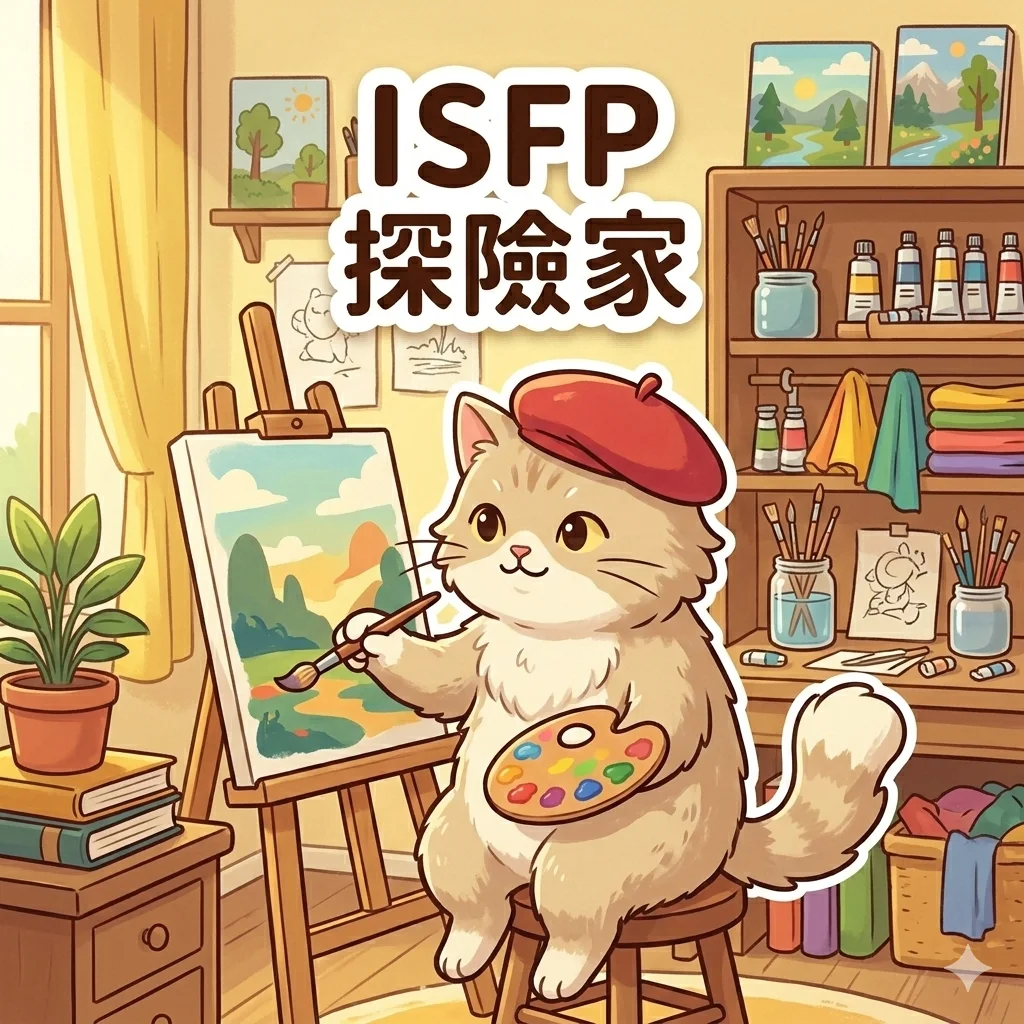
ISFP Explorers
实感+感知(SP)|重视当下、体验与灵活Sensing + Perceiving (SP) | values the present, experience and flexibility
APESK 64-TYPE
05APESK 64 型系统
很多人做完 16 型测验会有一种感觉:“好像是我,又好像不完全是我。”原因是同一个四字母类型里,其实还藏着差异很大的人。APESK 是 2005 年发展的延伸系统,正是为了补上这一块。它在 16 型的基础上,加入两个新的维度,把每一型再细分成四个子类型,总共 64 型。Many people finish the 16-type test feeling "that sounds like me, but not entirely." The reason: within one four-letter type, very different people still hide. APESK, developed in 2005, was built to fill this gap. On top of the 16 types it adds two new dimensions, splitting each type into four subtypes, 64 in total.
第五维度 决策风格Fifth dimension · Decision style
A 果断 / O 纠结
A(果断)做决定快、相信自己的判断;O(纠结)习惯反复权衡,行动前需要更高的确信。A (decisive) decides fast and trusts its own judgement; O (deliberating) weighs repeatedly and needs more certainty before acting.
第六维度 情感表达Sixth dimension · Emotional expression
H 温暖 / C 高冷
H(温暖)情感外放、容易与人靠近;C(高冷)情感内敛,距离感较明显。H (warm) is expressive and easy to approach; C (cool) is reserved, with a more visible sense of distance.
两个维度交叉,每个基本型就有四个子类型。后缀的两个字母,第一个来自 A/O,第二个来自 H/C:Crossing the two dimensions gives each base type four subtypes. Of the two suffix letters, the first comes from A/O, the second from H/C:
OC 纠结高冷
OH 纠结温暖
AC 果断高冷
AH 果断温暖
举例来说,同样是 INTJ,INTJ-OC(纠结高冷)是最接近“冷面策略师”印象的子类型;INTJ-AH(果断温暖)则行动果决、也愿意对人敞开。四个子类型在决策速度、人际距离与自我接纳上,会有明显不同的样貌。For example, among INTJs, INTJ-OC (deliberating·cool) is closest to the "cold strategist" image; INTJ-AH (decisive·warm) acts decisively and is willing to open up. The four subtypes differ markedly in decision speed, interpersonal distance and self-acceptance.
APESK 的 A/O × H/C,和国际 NERIS 使用的 A/T(自信度)维度不同,它更聚焦在“你怎么做决定”与“你怎么表达情感”这两件最影响日常关系的事。下面的完整索引,收录了全部 64 个子类型的深度解析,点进去就能读。APESK's A/O × H/C differs from the A/T (assertive/turbulent) dimension used by the international NERIS; it focuses more on how you decide and how you express emotion, the two things that most affect daily relationships. The full index below collects in-depth analyses of all 64 subtypes; click to read.
FULL 64-TYPE INDEX
0664 型完整索引
展开任一型,就能进入它的四个 APESK 子类型,以及该型的职业方向专页。每一页都是原创深度解析。Expand any type to reach its four APESK subtypes and that type's career-direction page. Every page is original, in-depth analysis.
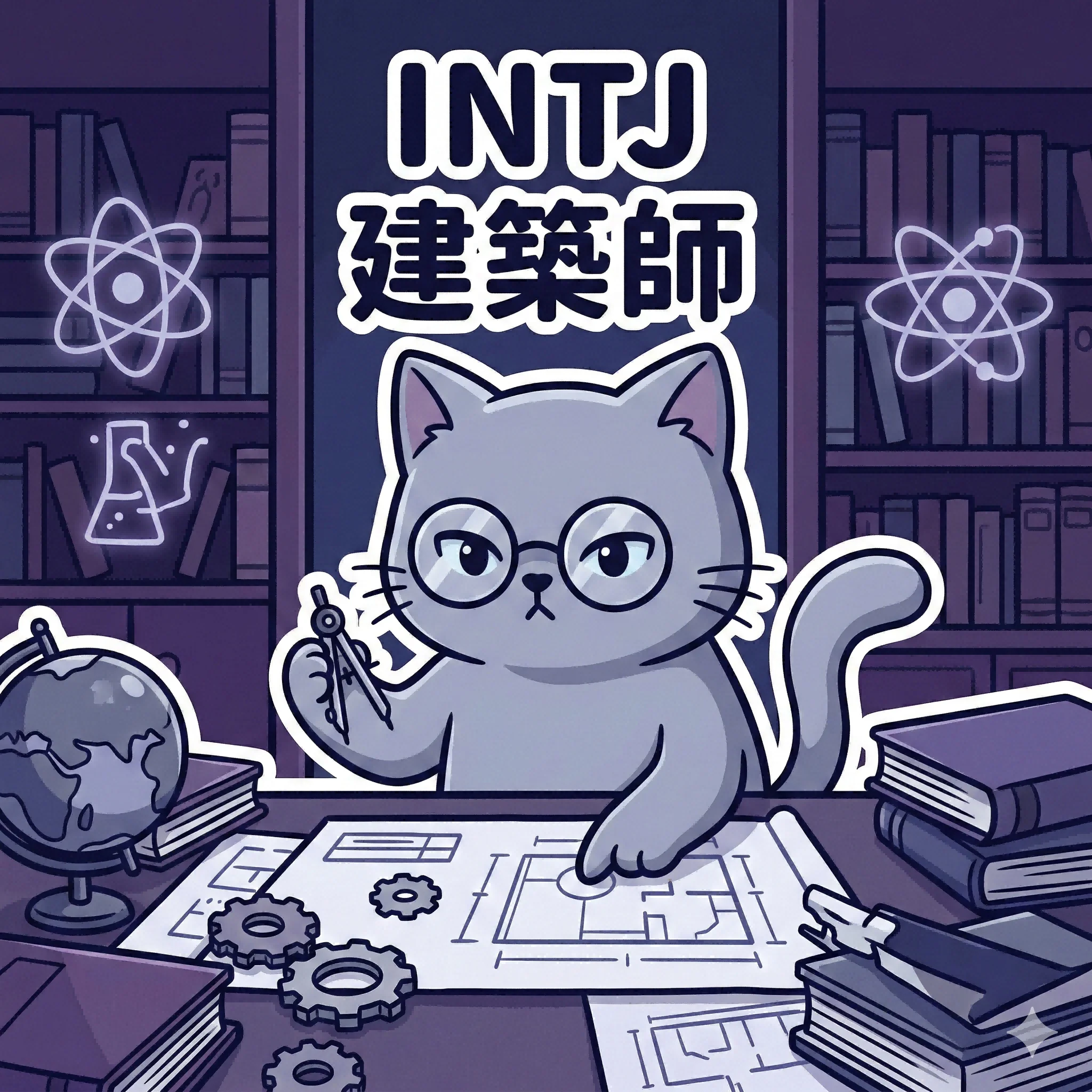
INTJ Ni-Te-Fi-Se
INTP Ti-Ne-Si-Fe
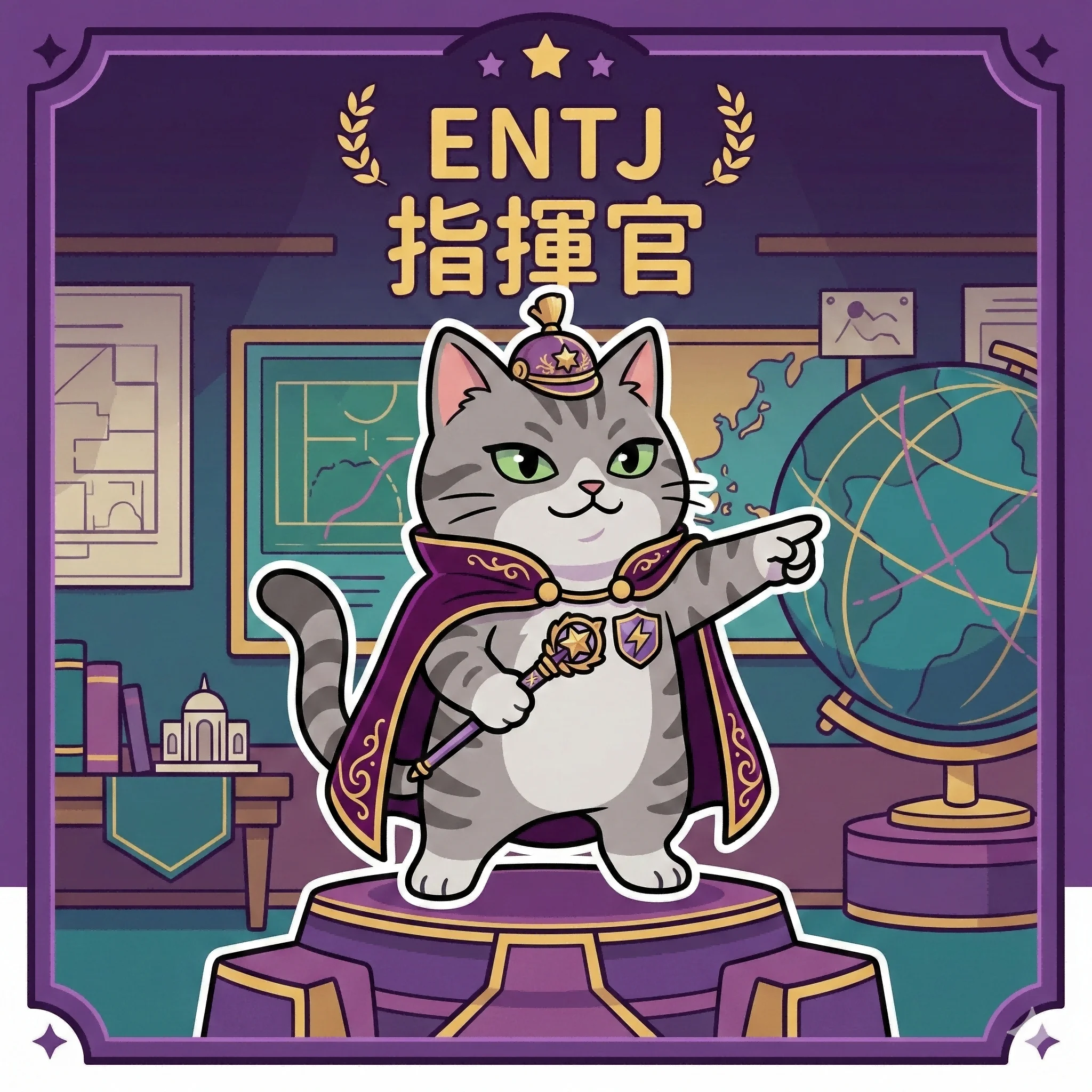
ENTJ Te-Ni-Se-Fi
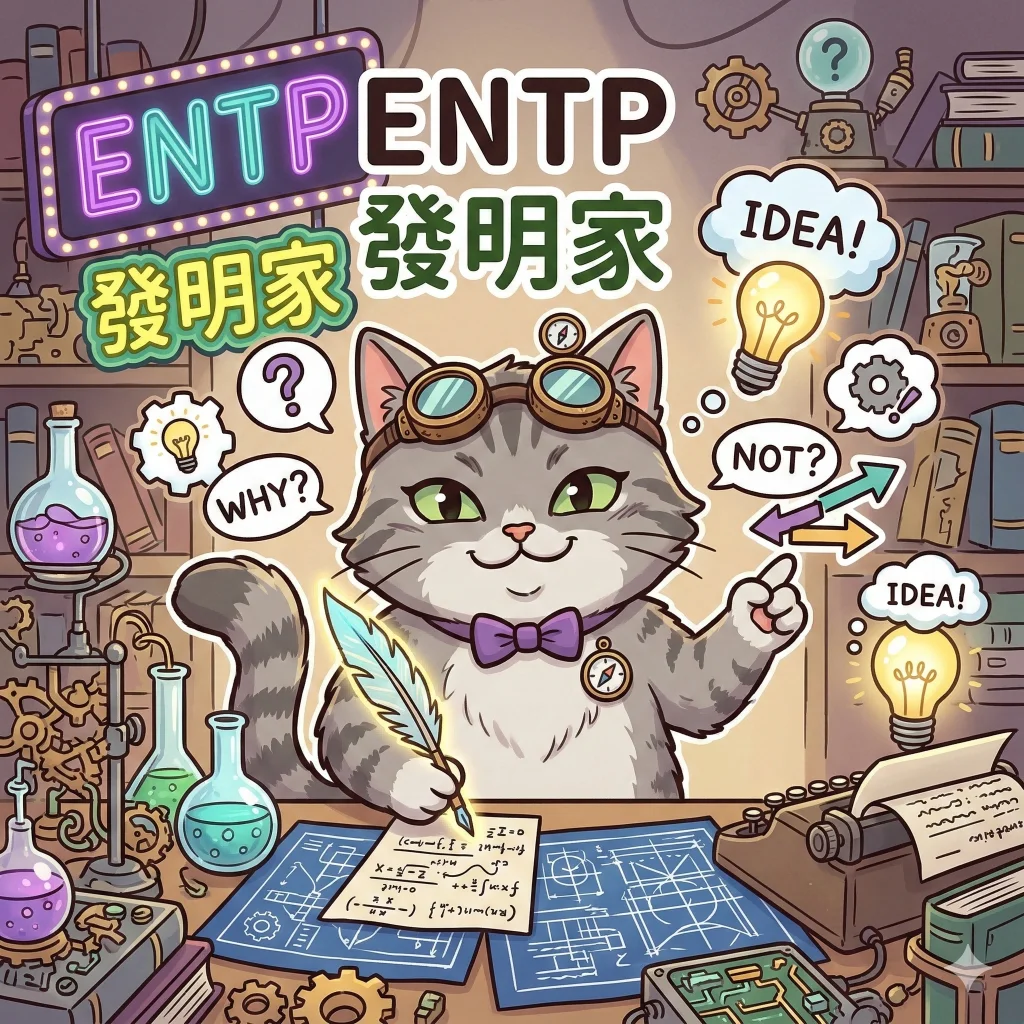
ENTP 发明家 Ne-Ti-Fe-Si
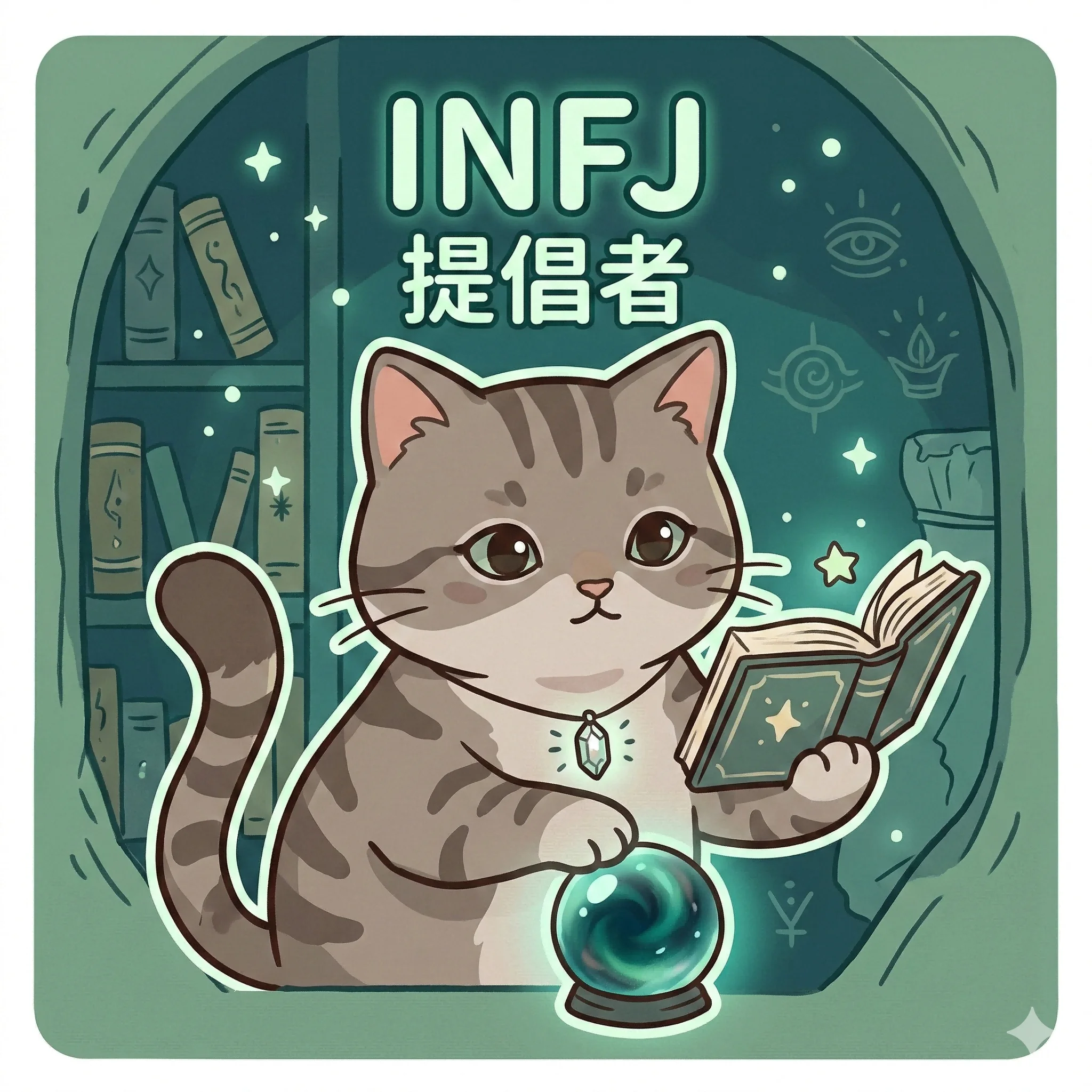
INFJ Ni-Fe-Ti-Se
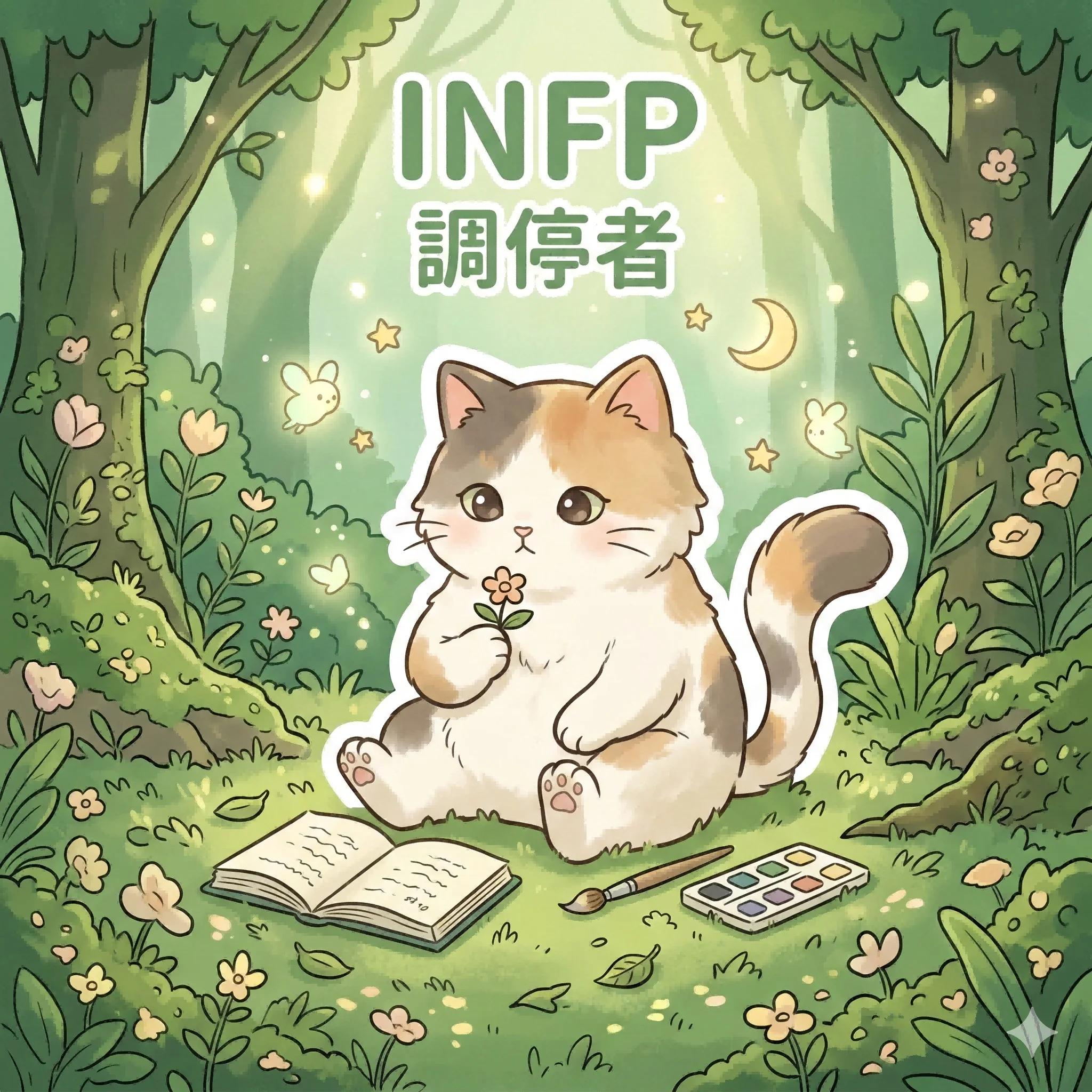
INFP Fi-Ne-Si-Te
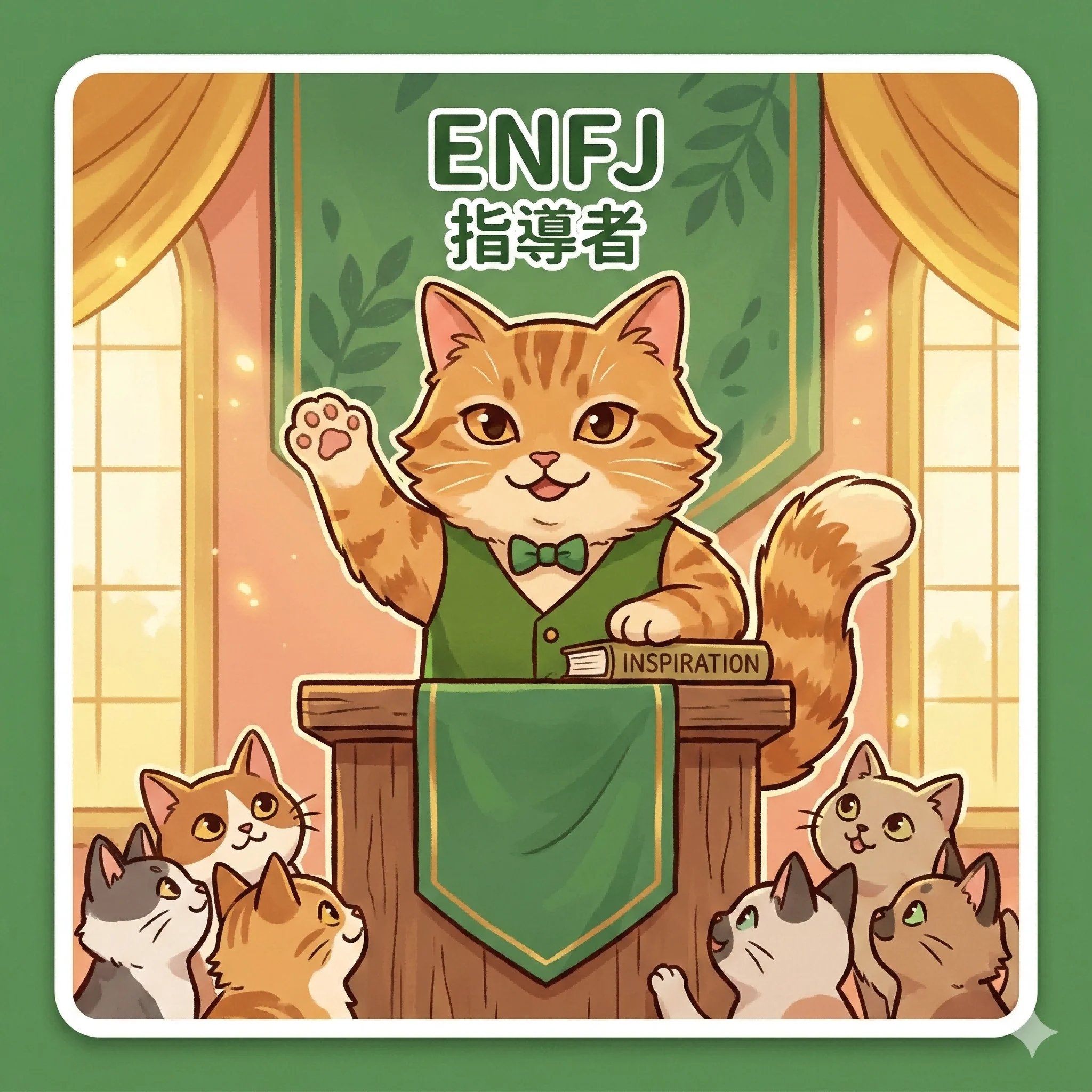
ENFJ 指导者 Fe-Ni-Se-Ti
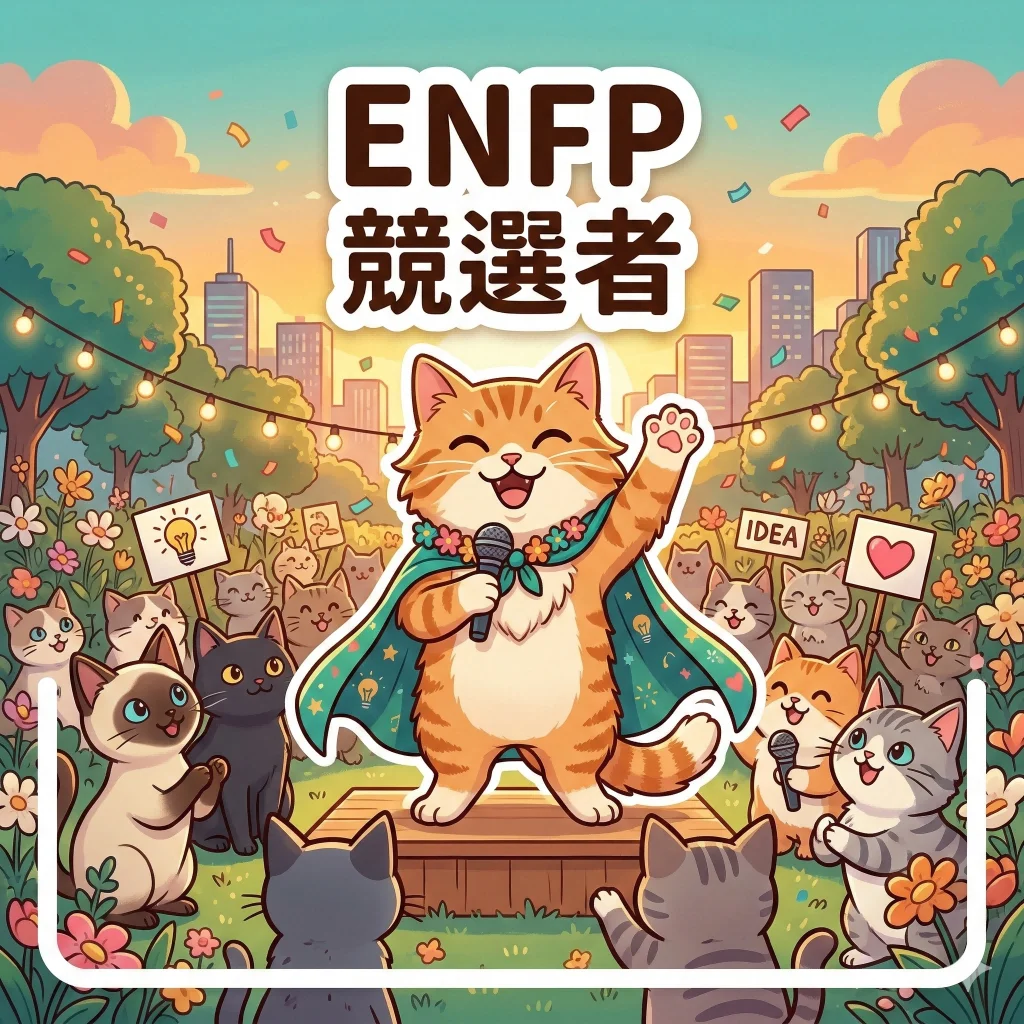
ENFP Ne-Fi-Te-Si
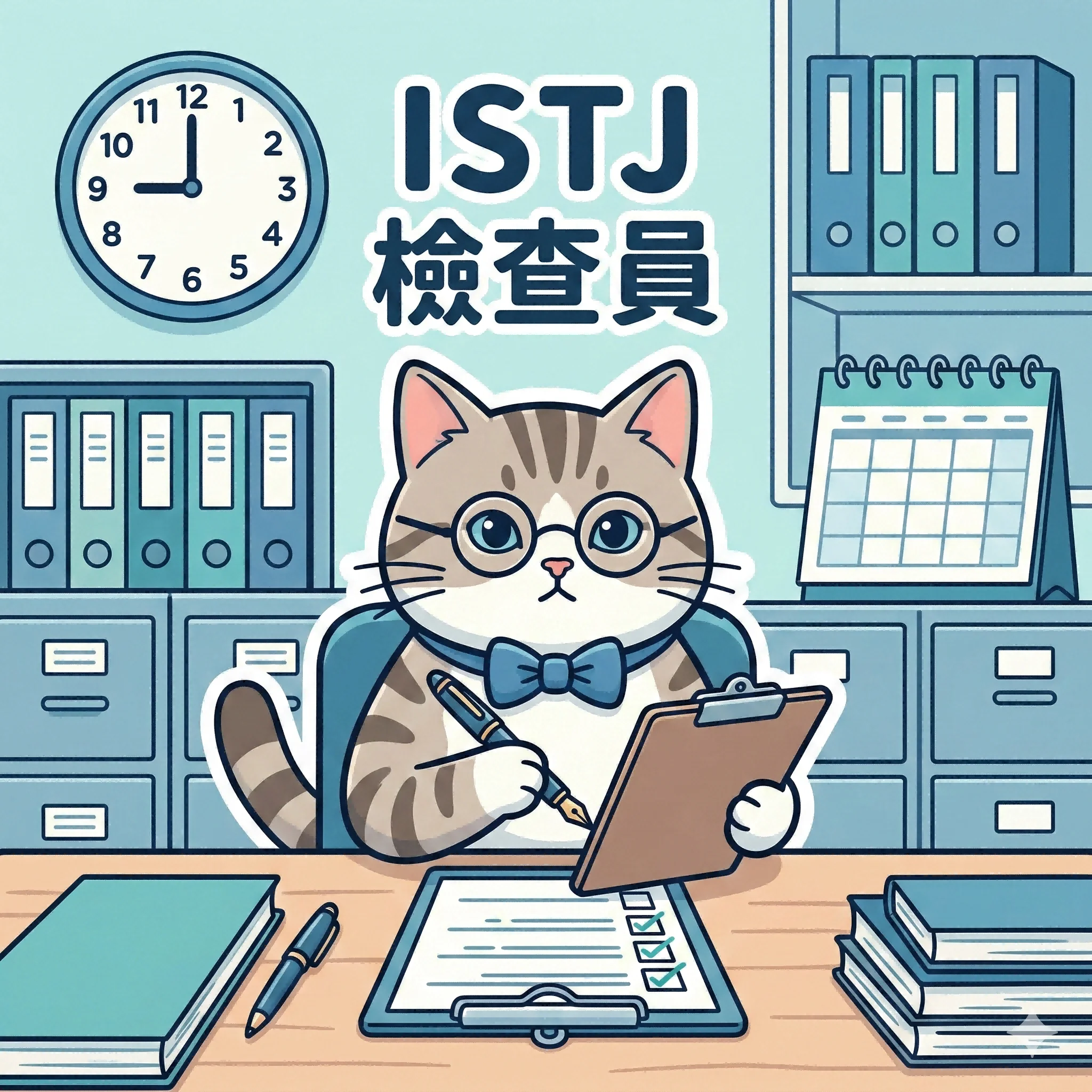
ISTJ 检查员 Si-Te-Fi-Ne
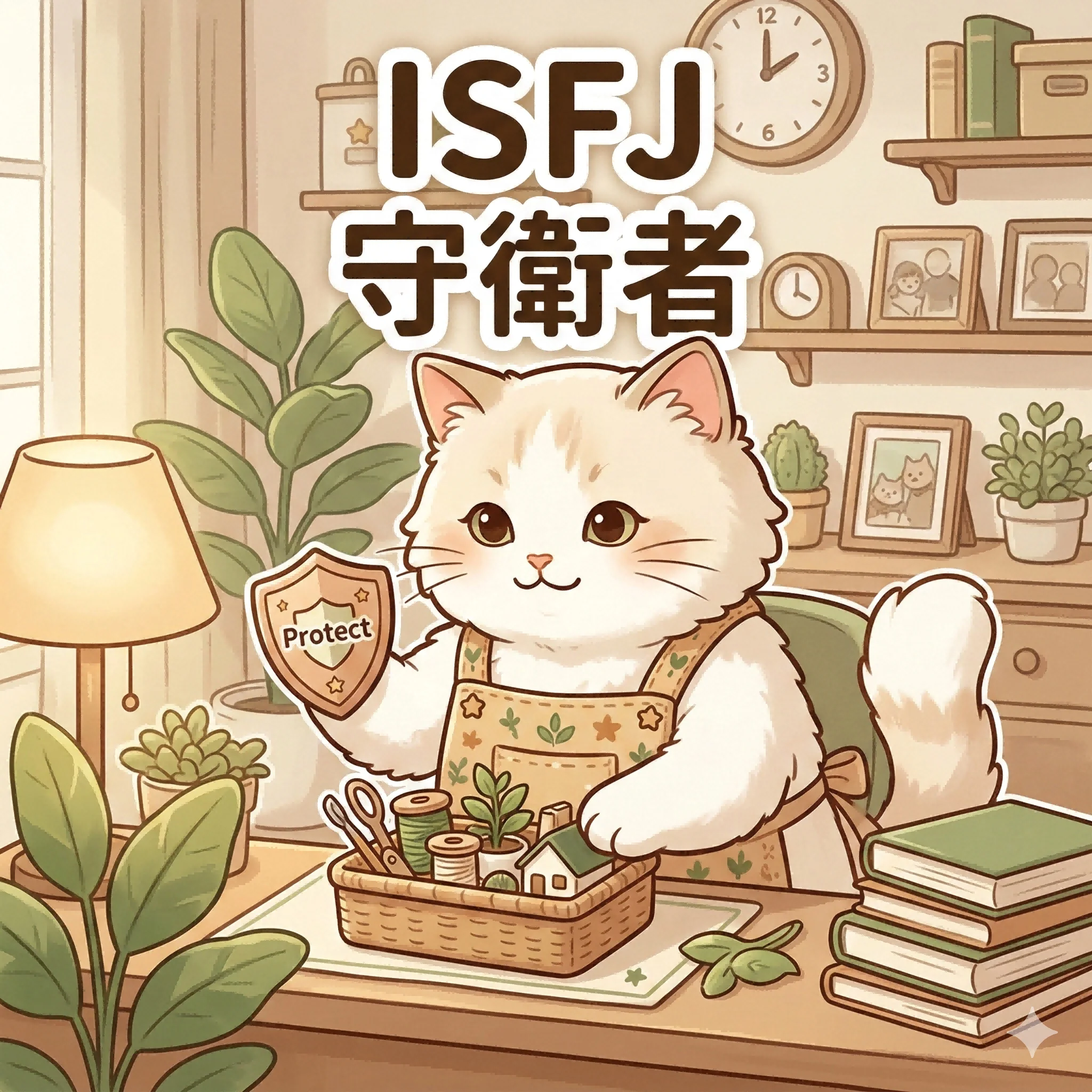
ISFJ Si-Fe-Ti-Ne
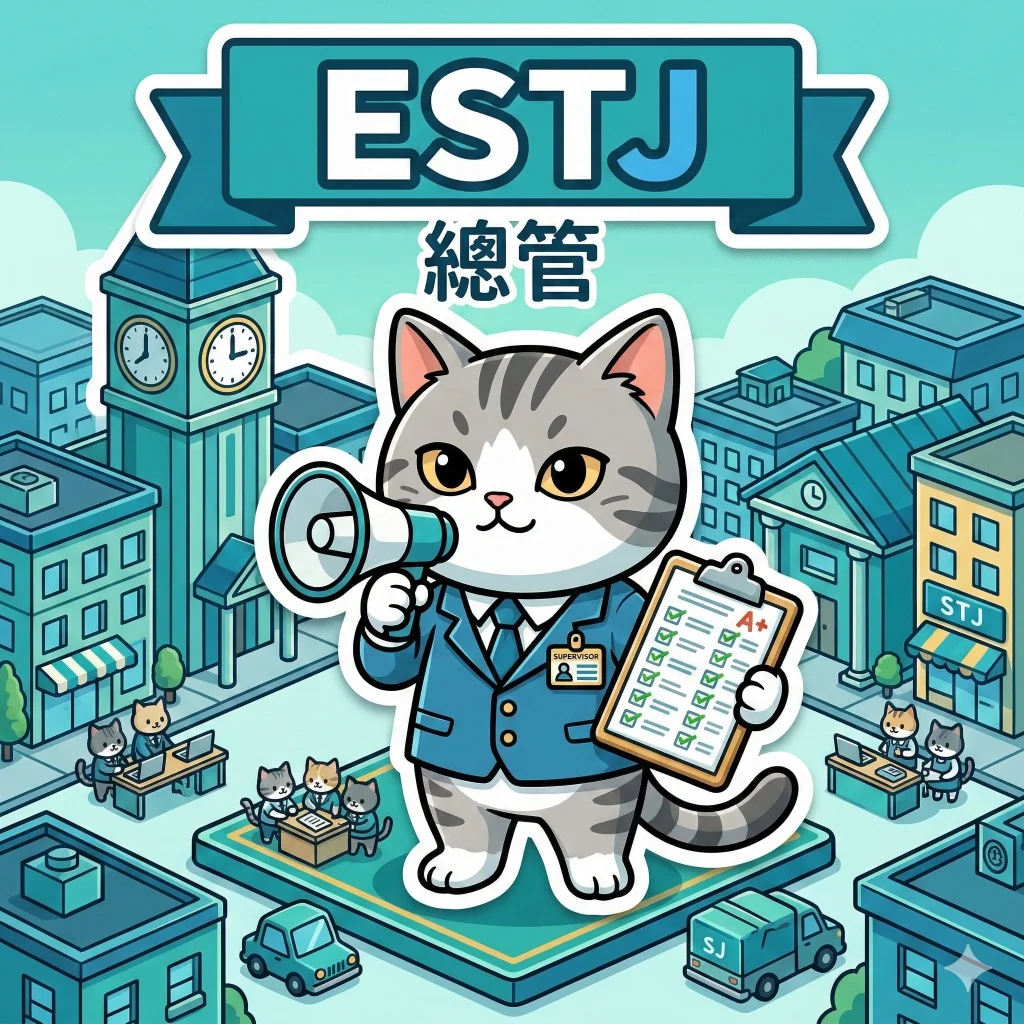
ESTJ 总管 Te-Si-Ne-Fi
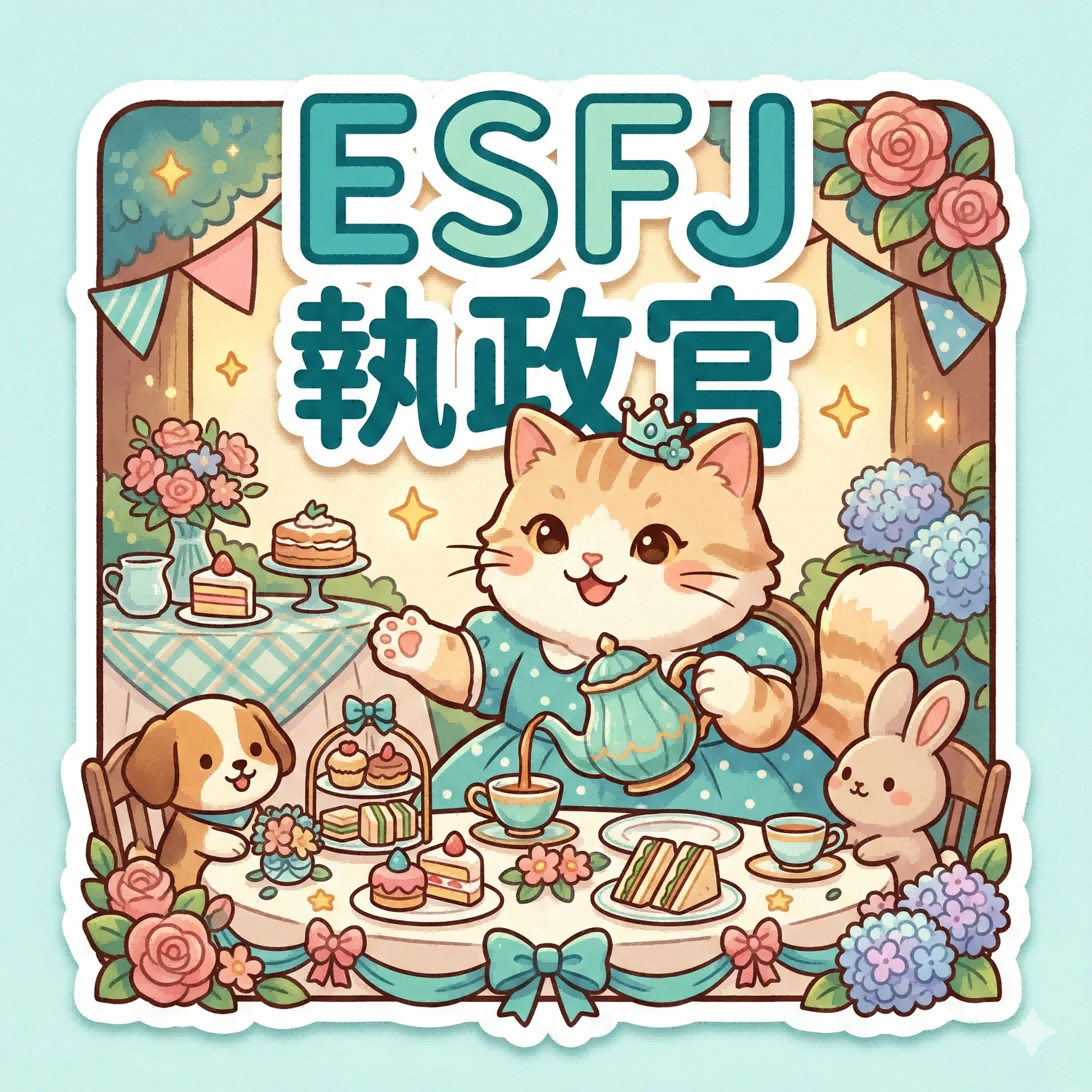
ESFJ Fe-Si-Ne-Ti
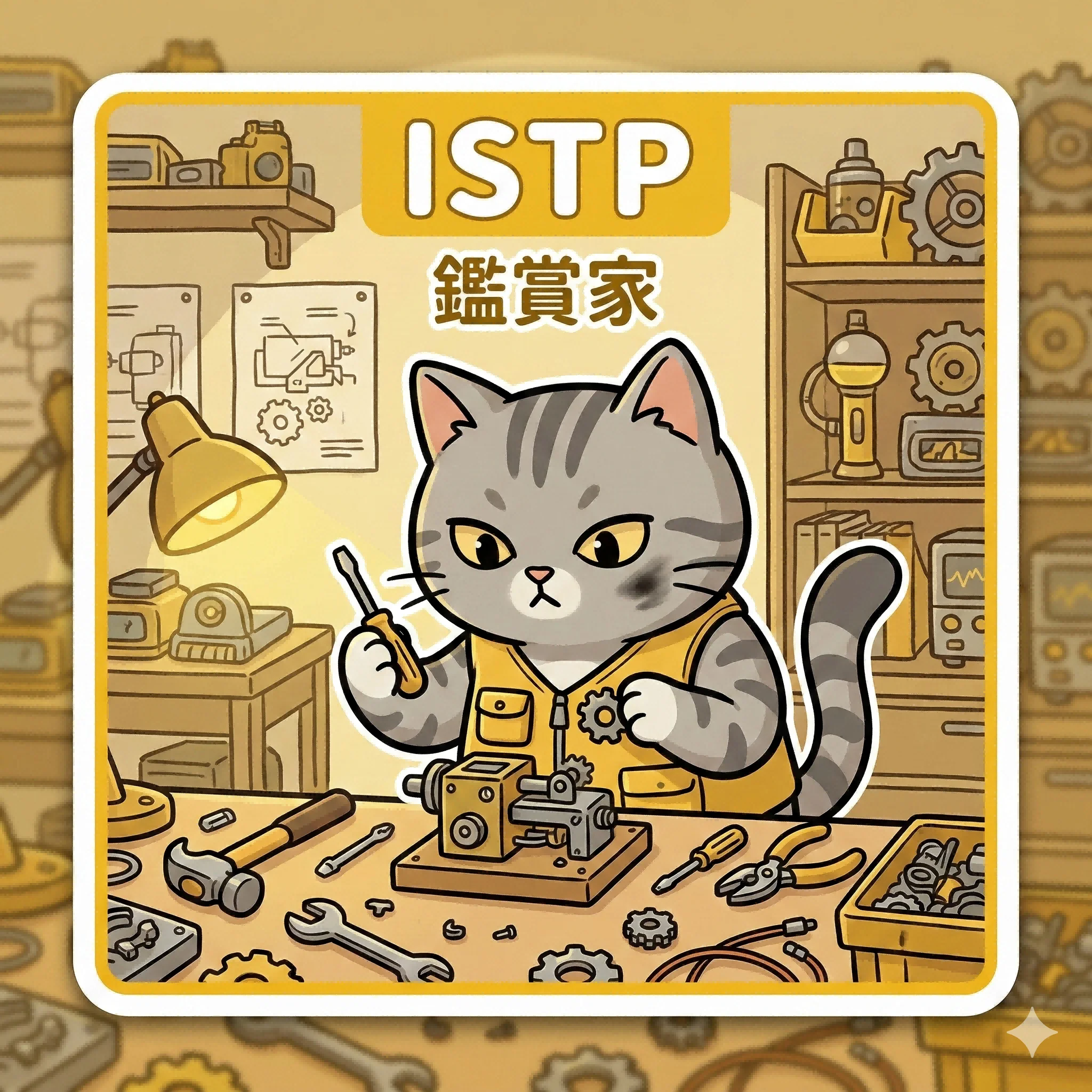
ISTP Ti-Se-Ni-Fe
ISFP Fi-Se-Ni-Te
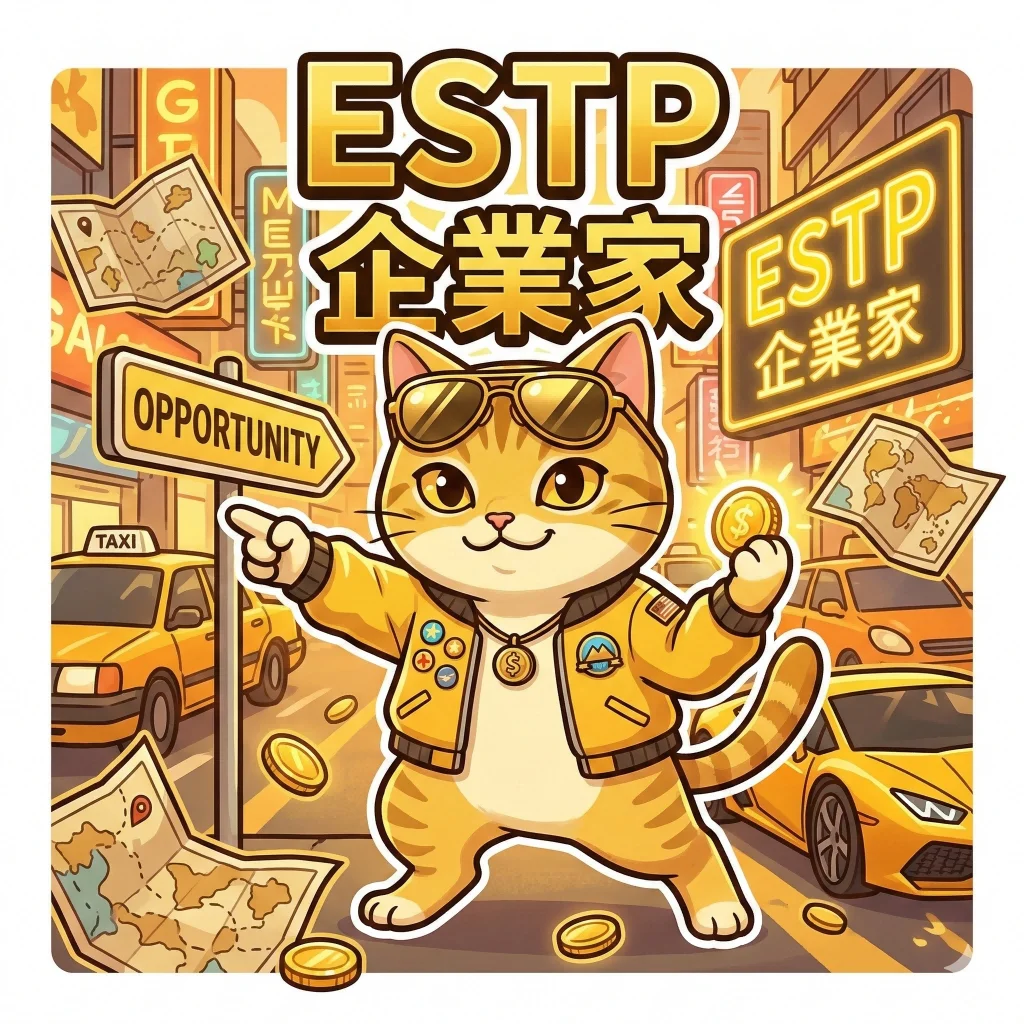
ESTP Se-Ti-Fe-Ni
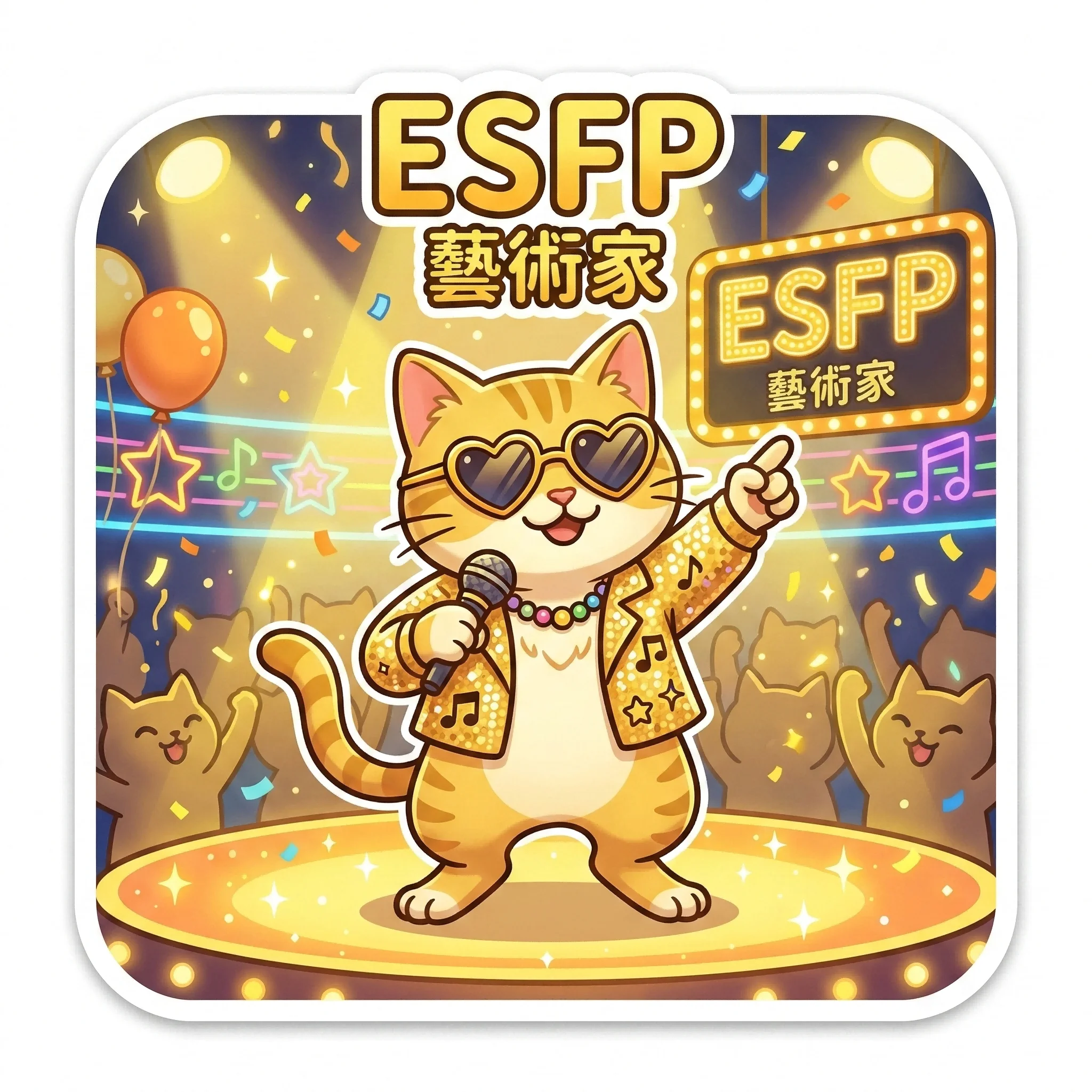
ESFP 艺术家 Se-Fi-Te-Ni
07型别之间的关系
MBTI 常被用来看相处与配对。比起“哪两型最配”这种固定答案,从认知功能去理解彼此,会更贴近真实。以下是几个常见的关系样貌:MBTI is often used to look at compatibility. Rather than fixed answers like "which two types match best", understanding each other through cognitive functions gets closer to the truth. Here are a few common relationship patterns:
功能相似的人,相处省力Similar functions, easy company
功能堆叠接近的两型,看世界的方式相像,沟通成本低、容易有默契。代价是盲点也相似,遇到彼此都不擅长的领域时,容易一起卡住。Two types with close function stacks see the world alike, so communication is low-cost and rapport comes easily. The cost: their blind spots are similar too, so they can get stuck together in areas neither handles well.
功能互补的人,彼此补位Complementary functions, covering for each other
一方的主导功能正好是另一方的弱项时,会有一种“你刚好补上我缺的那块”的吸引力。长期相处的关键,在于把这份差异当成资源,而不是用来互相挑剔。When one's dominant function is exactly the other's weak spot, there's a "you fill in what I lack" attraction. The key to lasting is treating that difference as a resource, not ammunition for criticism.
加上 APESK,画面更准Add APESK for a sharper picture
同样两个四字母类型,A/O(决策风格)与 H/C(情感表达)不同,相处的节奏就完全不同。纠结型遇上果断型、高冷型遇上温暖型,往往才是日常摩擦或互补的真正来源。For the same two four-letter types, different A/O (decision style) and H/C (emotional expression) make the daily rhythm completely different. Deliberating meeting decisive, cool meeting warm, that's often the real source of friction or complement.
在馥灵之钥,我们建议把 MBTI 当成关系的一张地图,而不是一份判决。它帮你看懂彼此的差异从哪里来,剩下的相处,还是靠两个人一起走出来的。想看得更立体,可以再搭配双人合盘,把性格与命理坐标放在一起读。At Hour Light, we suggest treating MBTI as a map of a relationship, not a verdict. It shows where your differences come from; the rest is still walked out by two people together. For a fuller picture, pair it with a two-person reading, placing personality and destiny coordinates side by side.
FAQ
08常见问题
MBTI 真的有科学根据吗?Does MBTI really have a scientific basis?
MBTI 源自 Jung 的类型理论,是一套帮助自我理解的框架。学界对它的再测信度与预测力有持续讨论,所以我们建议把它当成认识自己的起点与共同语言,而不是定终身的标签。凭直觉诚实作答,再搭配认知功能与生活经验一起阅读,会最有帮助。MBTI comes from Jung's type theory, a framework for self-understanding. Academics keep debating its test-retest reliability and predictive power, so we suggest treating it as a starting point and shared language for knowing yourself, not a lifelong label. Answer honestly by instinct, and read it alongside cognitive functions and life experience for the most help.
16 型和 64 型,我该看哪一个?16 types or 64 types, which should I look at?
先从 16 型入门,找到你的四字母主类型。如果你觉得“好像是我又好像不完全是”,那就值得看 APESK 64 型,用 A/O(果断/纠结)和 H/C(温暖/高冷)找出更贴近你的子类型。Start with the 16 types and find your four-letter main type. If it feels "sort of me but not quite", it's worth looking at APESK 64 types, using A/O (decisive/deliberating) and H/C (warm/cool) to find the subtype closest to you.
为什么同样是 INTJ,差这么多?Why do two INTJs differ so much?
四个字母只描述了大方向。实际的差异来自认知功能的熟练度,以及 APESK 的决策风格与情感表达。INTJ-OC 和 INTJ-AH 虽然都是 INTJ,但一个内敛谨慎、一个果决外放,日常样貌会很不一样。The four letters only describe the broad direction. The real differences come from fluency in cognitive functions, plus APESK's decision style and emotional expression. INTJ-OC and INTJ-AH are both INTJ, but one is reserved and cautious, the other decisive and outgoing, their everyday selves look quite different.
馥灵之钥的 MBTI 测验免费吗?Is Hour Light's MBTI test free?
完全免费,不限次数。完成后会得到四字母主类型与 APESK 子类型,附上优势、盲点、职业方向、关系模式,以及对应的精油觉察建议。Completely free, unlimited. You'll get your four-letter main type and APESK subtype, with strengths, blind spots, career directions, relationship patterns and matching scent-awareness suggestions.
测完还能搭配什么一起看?What else can I read it with afterwards?
MBTI 是认识自己的第一块拼图。测完可以再搭配馥灵秘码(农历生日生命灵数)与命理坐标,把性格与人生节奏放在一起,画面会更完整。MBTI is the first piece of the self-knowledge puzzle. Afterwards, pair it with the Hour Light Code (lunar-birthday life number) and destiny coordinates, placing your personality and life rhythm together for a fuller picture.
想知道自己是 64 型里的哪一型?Which of the 64 types are you?
免费 MBTI 测验,做完得到四字母主类型与 APESK 子类型,附上优势、盲点、职业方向与精油觉察。A free MBTI test. Get your four-letter main type and APESK subtype, with strengths, blind spots, career directions and scent awareness.